



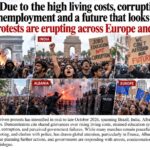



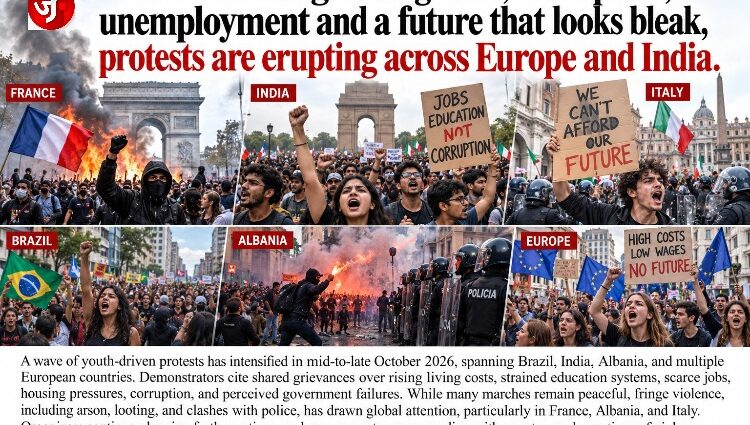
Due to the high living costs, corruption, unemployment and a future that looks bleak, protests are erupting across Europe and India.
A wave of youth-driven protests has intensified in mid-to-late October 2026, spanning Brazil, India, Albania, and multiple European countries. Demonstrators cite shared grievances over rising living costs, strained education systems, scarce jobs, housing pressures, corruption, and perceived government failures. While many marches remain peaceful, fringe violence, including arson, looting, and clashes with police, has drawn global attention, particularly in France, Albania, and Italy. Organizers continue planning further actions, and governments are responding with arrests, condemnations of violence, and promises of dialogue.
In France, students’ unrest broadens into nationwide riots. The protests began in mid-September in Paris suburbs over teacher shortages, overcrowded classrooms, rundown facilities, and the national university admissions system. They expanded into broader discontent over inequality, public services, and the cost of living, drawing unions, some Yellow Vest remnants, and others.
On October 17, hundreds of thousands marched nationwide (Interior Ministry: ~550,000; union estimates higher, up to ~800,000). In Paris, Lyon, Marseille, and elsewhere, peaceful demonstrations gave way to violence by smaller groups: shops (including some luxury boutiques and supermarkets) were looted or damaged, cars burned, and public buildings targeted. In Limoges, the historic 143-year-old town hall (inaugurated 1883) was set ablaze; its roof and tower largely collapsed in what officials called deliberate arson – a major heritage loss.
Police reported 1,200+ arrests that day, rising to 1,800–2,000+ overall, with hundreds of officers and some protesters injured (including cases involving stun grenades). One person died of a heart attack. President Emmanuel Macron addressed the nation on October 18, acknowledging legitimate anger over living costs and education while condemning “unprecedented violence,” looting, and arson. He pledged accountability for perpetrators and dialogue with students, teachers, and unions.
U.S. President Donald Trump commented on Truth Social that “France is burning,” attributing the unrest to immigration from “an entirely different world” and urging France to “Close your Borders and take control, before it is too late.” French authorities have focused on opportunistic violence rather than linking it primarily to immigration.
In Albania, there are escalating student protests and calls for resignation. In Tirana, student-led demonstrations over high education fees, books, living costs, and graduate job scarcity intensified from around October 13–14. They built on the earlier “Flamingo Revolution” (sparked by a controversial Kushner-linked resort project) and broader anti-corruption sentiment. Protesters have demanded Prime Minister Edi Rama’s resignation.
Clashes turned violent: demonstrators damaged or set fire to government buildings (including parts of the Education Ministry), banks, and businesses; threw stones, petrol bombs, and other objects; and clashed with police for consecutive days. Police used tear gas, water cannons, batons, and, in later days, what appeared to be rubber bullets. Hundreds have been arrested or prosecuted; injuries number in the dozens to hundreds across protesters and officers. Rama has rejected resignation calls, blamed external influences, and offered limited dialogue on education costs while condemning violence.
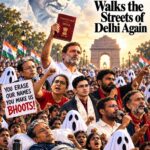
In India, it started with a unity of opposition parties and a cockroach movement amid voter-roll protests. Sparked by a call for accountability with paper leaks and corruption, it culminated into a national movement
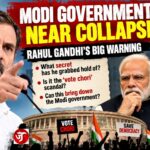
India’s INDIA bloc led by Rahul Gandhi, and Gen-Zs rose, with also a Cockroach Janta Party movement that emerged earlier in 2026 after a senior judicial figure reportedly compared unemployed youth to “cockroaches.” It grew around exam leaks and education issues, contributing to the education minister’s resignation, before shifting to demands for accountability over the Election Commission’s Special Intensive Revision of voter rolls. Critics allege the process risks disenfranchising large numbers (claims of tens of millions of names affected); the Commission and government deny bias or wrongdoing.
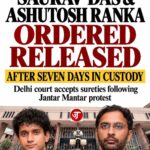
Protests in Delhi and other cities in early-to-mid October led to thousands of detentions, including of movement leaders, with internet restrictions and transport disruptions in places. Some observers noted police measures may have limited escalation compared to European scenes, though rights groups have criticized the scale of detentions.
Brazil, Italy, Portugal, Belgium, Spain, and Beyond
In Brazil, students and others marched in Rio de Janeiro and elsewhere against the strong first-round performance of far-right senator Flávio Bolsonaro in the presidential race, with slogans rejecting a return of Bolsonaro family influence.
In Italy, cost-of-living and public-services protests in Milan (and cities like Turin and Bologna) saw hooded groups—many minors, loot shops (supermarkets, sportswear stores), smash windows, and clash with police using tear gas and water cannons. Over 200 people were detained in Milan across days; Prime Minister Giorgia Meloni condemned the violence and called a security meeting.
Portugal saw large union-backed marches in Lisbon (tens of thousands) over housing costs, low wages, and inflation; Belgium had student and worker actions in Brussels and Liège against education costs and cuts, with some clashes. Spain has ongoing housing and eviction-related protests. These European actions are largely uncoordinated but share cost-of-living and austerity themes, with some inspired by French events.
Why is this happening?
The anger spilling onto the streets across Europe, India and beyond is about far more than rising prices or unemployment; it is about a global economic system in which billionaires and oligarchs continue to accumulate extraordinary wealth while millions of ordinary people struggle to afford the basic necessities of life. As the super-rich buy private jets, build empires and expand their influence over politics and public policy, the middle class watches its savings evaporate, young people face a future of insecure jobs and unaffordable homes, and the poor are forced to choose between food, healthcare and education.
For many, hard work no longer guarantees dignity, education no longer promises opportunity, and playing by the rules no longer seems to offer a fair chance. The growing perception that wealth buys power, influence and impunity while ordinary citizens bear the burden of economic failure is fuelling a profound crisis of trust in governments and institutions. These protests are a warning to those in power: people cannot be expected to keep tightening their belts while the richest tighten their grip on wealth and power. A society that protects fortunes more fiercely than it protects human dignity is building its own instability, one angry generation at a time.
Analysts and outlets including BBC, Reuters, and others describe a global pattern of Gen Z mobilization (people born roughly 1997–2012) using social media for decentralized organization. Triggers differ by country, education access and exam integrity in India and France, electoral concerns in Brazil and India, corruption and development projects in Albania, housing and wages across Europe, but common threads include economic pressure, distrust in institutions, and demands for accountability. Outcomes vary: some prior waves forced resignations or policy shifts; current ones have produced high arrest numbers, property damage, and political debate over the line between legitimate protest and violence.
As of October 19, organizers in several countries signal continued actions. Governments emphasize distinguishing peaceful demonstrators from those engaging in arson and looting while facing pressure to address underlying economic and social grievances. The situation remains fluid, with potential for further spread or de-escalation depending on official responses and public reaction.
JANPATH NEWS NETWORK (JNN)
Independent. Fearless. On the People’s Path.