









US-Iran War Enters 10th Consecutive Day as Region Edges Toward a Wider Conflict
The Middle East has entered one of its most dangerous periods in decades, with the United States and Iran locked in their tenth consecutive day of direct military confrontation, transforming what was once a shadow war into a full-scale regional crisis. Every sunrise now seems to bring another barrage of missiles, fresh airstrikes, and growing fears that the conflict could engulf the entire region. Humanity does have a remarkable talent for turning strategic waterways into explosive negotiation tables.
According to U.S. Central Command, American forces have completed another major wave of airstrikes targeting Iranian military command centers, missile and drone launch sites, air defense systems, and maritime assets. Washington says the campaign is intended to cripple Iran’s ability to threaten commercial shipping in the Strait of Hormuz, one of the world’s most critical energy corridors.
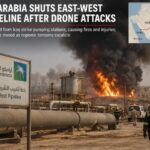
Iran has responded with force across multiple fronts. Iranian strikes have reportedly targeted U.S. facilities in Bahrain, Kuwait, and Jordan, while attacks on commercial shipping in the Strait of Hormuz continue to disrupt one of the world’s busiest oil routes. A tanker was struck, forcing its crew to abandon ship, underscoring the mounting danger facing international maritime traffic.
A New Maritime Front Opens
The conflict widened dramatically after Yemen’s Iran-backed Houthi movement announced a maritime blockade targeting Saudi Arabia through the Red Sea, threatening another vital global trade artery beyond Hormuz.
If fully enforced, the blockade could severely disrupt global shipping, increase insurance costs, and trigger another surge in energy prices already shaken by weeks of conflict. Oil markets remain volatile as traders weigh continuing military escalation against renewed diplomatic efforts.
Ceasefire Hopes Fade
Only weeks ago, hopes remained that an interim ceasefire might prevent a broader war. Those hopes have largely collapsed.
Both Washington and Tehran accuse each other of violating previous understandings, while military operations have intensified rather than slowed. Although international mediators are reportedly discussing a possible 10-day truce, neither side has signaled any willingness to suspend military operations immediately.
Gaza Remains a Humanitarian Crisis
Even as attention shifts toward the U.S.-Iran confrontation, Gaza continues to endure severe humanitarian hardship.
Despite a U.S.-brokered ceasefire reached in late 2025, Israeli military operations continue in parts of the territory. Reports indicate continued civilian casualties, widespread displacement, and ongoing disputes over humanitarian aid, buffer zones, and future governance. Hamas has dissolved its de facto civilian administration as part of a political transition while retaining security responsibilities under new leadership.
Lebanon Faces an Uncertain Future
In Lebanon, a fragile ceasefire remains under strain.
Israeli forces have withdrawn from some southern villages under an internationally backed framework, with the Lebanese Armed Forces assuming control of selected security zones. Hezbollah, however, has rejected elements of the arrangement, and intermittent cross-border incidents continue to threaten renewed fighting. Diplomatic efforts remain active as Lebanon seeks a broader settlement that would secure a complete Israeli withdrawal.
Global Economy Feeling the Shockwaves
The consequences of the conflict now extend far beyond the battlefield.
The Strait of Hormuz carries a significant share of the world’s seaborne oil exports, and repeated attacks on commercial shipping have reduced tanker movements, increased insurance premiums, and heightened fears of prolonged supply disruptions. Energy markets remain on edge, with governments and businesses closely watching whether diplomacy can halt further escalation before the conflict spreads even wider.
A Region at a Dangerous Crossroads
The Middle East now stands at a pivotal moment.
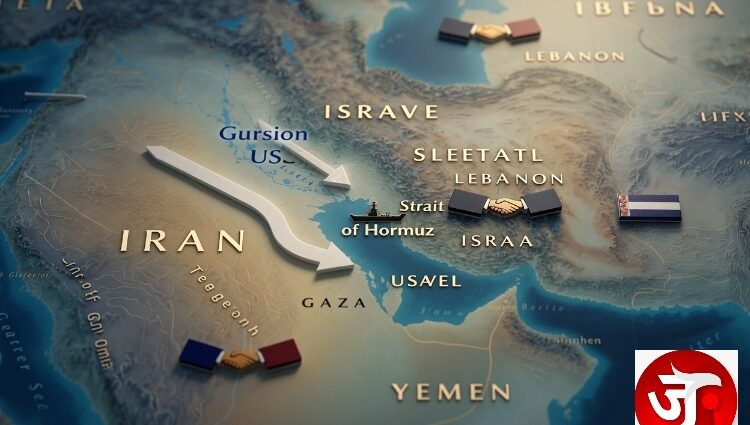
What began as indirect confrontation through regional proxies has evolved into sustained, direct military exchanges between the United States and Iran, with active flashpoints stretching from the Persian Gulf to the Red Sea, Gaza, Lebanon, and beyond.
With diplomacy struggling to gain traction, shipping routes under threat, civilian populations bearing the heaviest burden, and military operations expanding across multiple theatres, the risk of a broader regional war remains higher than at any point in recent years.
JANPATH NEWS NETWORK (JNN)
Independent. Fearless. On the People’s Path.
#USIran #USIranConflict #MiddleEastCrisis #Houthis #Hezbollah #OilCrisis #EnergyCrisis #BreakingMiddleEast